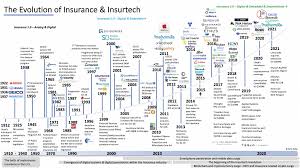
The Evolution of USA Insurance: Navigating the Digital Shift and Rising Premiums
The United States insurance landscape is undergoing a massive transformation. For decades, the industry relied on traditional underwriting, predictable risk models, and face-to-face agent interactions. However, a combination of economic pressures, frequent climate events, and rapid technological advancements has forced a complete overhaul of how Americans buy and manage coverage.
Whether it is auto, home, or health insurance, policyholders across the country are facing a new reality: rising premiums paired with a push for digital-first experiences. Understanding these shifts is crucial for consumers looking to protect their assets without breaking the bank.
1. The Current State of Auto Insurance: What is Driving Costs?
Auto insurance has seen some of the sharpest premium hikes in recent history. Across the USA, drivers are opening their renewal notices to find double-digit rate increases, even if they have a clean driving record.
Why Are Rates Skyrocketing?
Several macroeconomic factors are contributing to this surge:
- Higher Repair Costs: Modern vehicles are equipped with advanced driver-assistance systems (ADAS), including sensors, cameras, and radar built into bumpers and windshields. What used to be a simple fender bender now requires replacing expensive technology and recalibrating complex software.
- Inflation and Parts Shortages: Supply chain disruptions have driven up the cost of original equipment manufacturer (OEM) parts. Additionally, specialized labor rates at repair shops have climbed steadily.
- Increased Accident Severity: Statistically, accidents on US roads have become more severe since 2020, leading to costlier medical payouts and litigation.
The Rise of Telematics
To combat rising costs, insurers are aggressively pushing Usage-Based Insurance (UBI) or telematics. By tracking driving habits via a smartphone app or an in-car device, companies like Progressive (Snapshot), Allstate (Drivewise), and State Farm (Drive Safe & Save) offer personalized discounts.
Drivers who avoid hard braking, late-night driving, and speeding can secure significantly lower rates, making this data-driven approach a popular choice for budget-conscious consumers.
2. Homeowners Insurance and the Climate Crisis
Homeowners insurance is facing a structural crisis in several major US markets. Catastrophic weather events—ranging from historic wildfires in California to severe hurricanes in Florida and convective storms in the Midwest—have led to billions of dollars in insured losses.
Market Payouts and the “Uninsurable” Crisis
Because of these heavy losses, major carriers are rewriting their risk appetites. In states like Florida and California, giants like State Farm, Allstate, and Farmers have either paused writing new policies, restricted coverage, or pulled out of the market entirely.
+-------------------------------------------------------------+
|               US Property Insurance Challenges              |
+-----------------------------------+-------------------------+
| California / Western States       | Wildfire Risk           |
+-----------------------------------+-------------------------+
| Florida / Gulf Coast              | Hurricane & Flood Risk  |
+-----------------------------------+-------------------------+
| Midwest / "Hail Alley"            | Severe Convective Storms|
+-----------------------------------+-------------------------+
This retraction has forced millions of homeowners into state-backed “last resort” insurance pools, such as Florida’s Citizens Property Insurance Corporation or California’s FAIR Plan. These plans are often more expensive and offer less comprehensive coverage than standard policies.
Adapting to the New Reality
To secure affordable home coverage today, American homeowners are being forced to invest in risk mitigation. Insurers are increasingly offering discounts or requiring upgrades such as:
- Installing impact-resistant roofing.
- Clearing defensible space (removing flammable vegetation) around properties in wildfire zones.
- Upgrading plumbing and electrical systems in older homes to prevent internal water damage.
3. Health Insurance: Navigating ACA, Employer Plans, and Medicare
Health insurance remains one of the most complex sectors of the US financial system. Unlike most developed nations, the USA relies on a fragmented mix of public and private coverage.
Employer-Sponsored Insurance vs. The ACA Marketplace
The majority of working Americans receive health coverage through their employers. However, as medical inflation rises, employers are shifting more financial burden onto workers via higher deductibles and out-of-pocket maximums.
For those who are self-employed, freelancers, or do not have access to job-based coverage, the Affordable Care Act (ACA) Marketplace (HealthCare.gov) serves as the primary hub. Enhanced premium tax credits, extended by federal legislation, have made marketplace plans highly subsidized and accessible for lower- to middle-income families, leading to record-breaking enrollment numbers.
The Medicare Landscape
For Americans aged 65 and older, Medicare is the standard pathway. The debate between Traditional Medicare (Parts A and B, often paired with a private Medigap policy) and Medicare Advantage (Part C) continues to heat up.
Medicare Advantage plans, run by private insurers like UnitedHealthcare and Humana, have surged in popularity because they often offer $0 premiums and bundled benefits like dental, vision, and gym memberships. However, critics point out that these plans restrict users to specific provider networks and often require strict prior authorizations for critical medical procedures.
4. The Digital Revolution: InsurTech and AI Underwriting
The backend of the American insurance industry is undergoing a quiet revolution powered by Artificial Intelligence (AI) and machine learning. Traditional underwriting—the process of assessing risk and setting premiums—used to take days or weeks. Today, it can happen in seconds.
The Impact of InsurTech
InsurTech companies like Lemonade, Hippo, and Root disrupted the market by eliminating the need for traditional insurance agents. Using AI chatbots and algorithmic underwriting, they allow users to buy a policy or file a claim within a mobile app in minutes.
How AI is Shaping Claims and Policy Management
Established carriers are adopting these technologies to streamline operations:
- Aided Claims Processing: Drone photography and satellite imagery are now used to assess roof damage after a storm, allowing insurers to issue payouts without sending a human adjuster to the property.
- Predictive Analytics: AI analyzes thousands of data points to predict fraud, assess regional risk patterns, and price policies with extreme precision.
While this increases efficiency, consumer advocacy groups warn that opaque AI algorithms could lead to unfair rate hikes or systemic bias against certain demographics.
5. Practical Strategies for Lowering Insurance Costs
As rates climb across all sectors, consumers must be proactive to keep their insurance costs manageable. Relying on automatic renewals is no longer a viable financial strategy.
- Shop and Compare Annually: Experts recommend shopping for auto and home insurance at least once a year. Independent agents can compare multiple carriers simultaneously to find the best rates.
- Bundle Policies: Combining home and auto insurance with the same carrier remains one of the most effective ways to secure an immediate discount, often saving policyholders between 10% and 25%.
- Adjust Deductibles: Choosing a higher deductible (e.g., raising an auto or home deductible from $500 to $1,000 or $2,500) significantly lowers the monthly premium. However, this strategy requires having enough emergency savings on hand to cover the deductible if a claim is filed.
- Improve Credit Scores: In most US states, insurers use a credit-based insurance score to determine risk. Maintaining a strong credit profile directly translates to lower insurance premiums.
Conclusion: Balancing Risk and Cost
The United States insurance market in 2026 demands highly informed consumers. As climate risks reshape property insurance, and technology redefines auto and health coverage, staying passive is expensive. By understanding market drivers, leveraging telematics, embracing digital tools, and regularly auditing policies, American consumers can successfully protect their financial futures against an increasingly unpredictable world.
Leave a Reply